


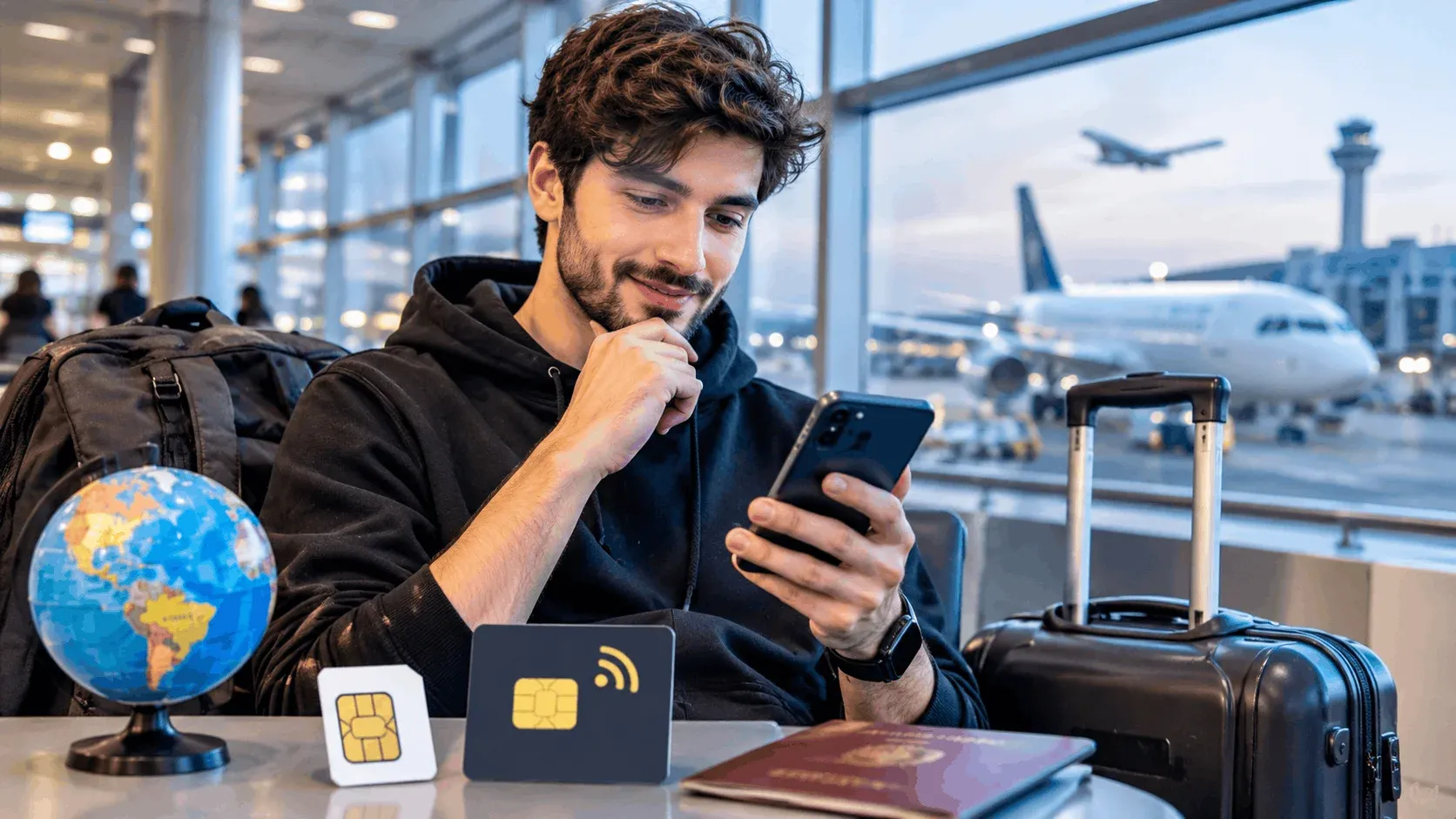
Traveling to another country is exciting, but staying connected can sometimes be difficult. Many travelers face expensive roaming charges, slow internet, and the trouble of buying a new SIM card after landing.
Today, mobile technology is changing the way people use the internet while traveling. Traditional SIM Cards are becoming less popular because eSIM technology offers a simple and flexible way to stay connected.
With an eSIM, travelers can buy a mobile data plan online and activate it without inserting a physical SIM card.
In this article, we will explore why traditional SIM cards are becoming less useful, how eSIM works, and why more international travelers are choosing digital SIM technology.
What Are Traditional SIM Cards?
Traditional SIM Cards are small plastic chips that connect a mobile phone to a mobile network.
They help users make calls, send messages, and use mobile data.
For many years, physical SIM cards have been the main way to connect smartphones to mobile networks.
When traveling internationally, people usually have three choices:
- Use international roaming from their home network.
- Buy a local SIM card after arriving.
- Purchase an international SIM card before traveling.
However, these options can sometimes be expensive or inconvenient.
For example, travelers may need to visit a mobile shop, show identification, and replace their existing SIM card.
This is one reason why digital SIM technology is becoming more popular.
What Is eSIM Technology?
An eSIM is a digital SIM built into a compatible smartphone.
Unlike traditional SIM cards, it does not require a physical plastic chip.
Users can download a mobile network profile and activate a data plan through their phone.
Here is how it works:
- Choose an eSIM provider.
- Select your destination country.
- Buy a suitable data package.
- Scan a QR code or use the provider’s app.
- Install the digital SIM profile.
- Activate your plan according to the provider’s instructions.
Once activated, your phone can connect to a supported mobile network.
This makes international travel easier because you can arrange your internet connection before leaving home.
7 Reasons Traditional SIM Cards Are Becoming Less Popular
There are several reasons why travelers are moving toward eSIM technology.
1. No Need to Visit a Mobile Shop
One major problem with traditional SIM cards is that travelers often need to visit a local mobile shop.
This can take extra time, especially after a long flight.
With an eSIM:
- You can purchase a plan online.
- You do not need a physical card.
- You can install your plan before traveling.
- You can avoid searching for a mobile shop.
This makes staying connected much easier.
2. Easy Internet Access in Different Countries
Travelers visiting multiple countries often need different mobile data plans.
For example, someone visiting France, Germany, and Italy may need to arrange internet access in each country.
Many eSIM providers offer regional plans that cover multiple destinations.
Benefits include:
- One plan may work in several countries.
- No need to buy a new physical card at every destination.
- Easy online plan management.
- More flexible travel options.
Always check the country list before purchasing a package because coverage depends on the provider.
3. No Need to Change Your SIM Card
Changing a physical SIM card can be annoying.
You need to remove your original card and insert another one.
There is also a risk of losing your original SIM.
With eSIM technology:
- You do not need to remove your existing SIM.
- You can manage digital profiles from your phone.
- You can keep your original number active if your phone and carrier support it.
- You can use a separate travel data plan.
This is especially useful for people who travel frequently.
4. Better Control Over Internet Costs
International roaming can become expensive.
Some mobile networks charge extra fees when users access the internet outside their home country.
Travel eSIM plans offer another option.
You can:
- Compare different data packages.
- Check prices before buying.
- Choose a plan based on your internet needs.
- Avoid unexpected data charges by using a suitable prepaid package.
However, eSIM plans are not always cheaper than roaming. Compare prices before making a decision.
5. Get Connected Before Your Flight
Another reason traditional SIM cards are becoming less attractive is the time needed to arrange mobile service after arrival.
Many eSIM providers allow travelers to install their plans before departure.
This means you can prepare your internet connection at home.
It is useful for:
- Checking online maps.
- Booking transportation.
- Contacting family.
- Checking hotel information.
- Reading important travel messages.
Check the activation date carefully because some plans start when installed, while others start when connected to a supported network.
6. Lower Risk of Losing Your SIM
Physical SIM cards are very small and can easily get lost.
Travelers who replace their home SIM with a local card must keep the original one safe.
An eSIM removes the need to carry another physical card.
Other useful benefits include:
- No removable travel SIM to misplace.
- Digital profile management.
- Less handling of small SIM cards.
- Easier management of supported mobile plans.
You should still protect your phone with a password and device tracking.
7. Useful for Digital Nomads and Business Travelers
Digital nomads and business travelers need reliable internet access.
They often use mobile data for:
- Online meetings.
- Sending emails.
- Managing business accounts.
- Working with clients.
- Accessing cloud files.
- Using navigation apps.
Traditional SIM cards can become inconvenient when traveling between several countries.
eSIM technology gives compatible devices a more flexible way to manage mobile data plans.
Traditional SIM Cards vs eSIM
Both options connect your phone to mobile networks, but they work differently.
| Features | Traditional SIM | eSIM |
|---|---|---|
| Physical Card | Required | Not required |
| Installation | Insert card | Download profile |
| Activation | SIM or carrier setup | Digital setup |
| Travel Plans | Local or international SIM | Digital travel plans |
| Switching Plans | May require changing cards | Manage digital profiles |
| Risk of Losing Card | Yes | No removable card |
| Compatibility | Wide device support | Compatible devices only |
For many international travelers, eSIM offers greater convenience. However, the best option depends on your phone, destination, and budget.
Are Traditional SIM Cards Completely Obsolete?
No. Traditional SIM Cards are still useful and supported by many mobile networks.
There are several situations where a physical SIM may be a better choice:
- Your smartphone does not support eSIM.
- Your phone is locked to a specific carrier.
- Your destination has limited eSIM support.
- You prefer using a physical card.
- A local physical SIM offers a better package.
eSIM technology is growing, but physical SIM cards have not completely disappeared.
How to Choose the Best Travel eSIM
Before buying an eSIM, consider these simple points:
1. Check Country Coverage
Make sure the eSIM provider supports your destination.
If you are visiting multiple countries, check that all of them are included.
2. Compare Data Packages
Different travelers need different amounts of data.
- Light users may need a small package.
- Regular travelers may need more data.
- Remote workers may need larger data plans.
Choose a package based on your expected usage.
3. Check Phone Compatibility
Not every smartphone supports eSIM technology.
Check your phone specifications before purchasing a digital SIM plan.
4. Read the Activation Rules
Some plans start when you install them, while others start when you connect to a mobile network.
Read the provider’s instructions before activation.
5. Check Internet Speed
Look for information about:
- 4G and 5G availability.
- Data limits.
- Hotspot support.
- Network coverage.
- Speed restrictions.
These details can help you choose a suitable plan.
The Future of International Travel Connectivity
Mobile technology is changing quickly.
More smartphone manufacturers and mobile operators are supporting eSIM technology.
This makes it easier for people to manage mobile plans without using physical cards.
In the future, travelers may be able to arrange mobile internet as easily as booking a hotel or flight.
Some important changes include:
- More smartphones supporting eSIM.
- More digital travel data plans.
- Easier online activation.
- Better international connectivity options.
- More choices for business travelers and digital nomads.
However, traditional SIM cards may continue to be used in countries and devices where physical SIM support remains important.
Frequently Asked Questions
1. Why are Traditional SIM Cards becoming less popular?
They can be inconvenient for international travelers because they require physical replacement and may involve visiting local mobile shops. eSIM offers digital activation and flexible data plans.
2. Is eSIM better for international travel?
For people with compatible smartphones, eSIM can be a convenient option because it allows them to purchase and activate mobile data plans online.
3. Can I use my normal SIM and an eSIM together?
Yes. Many smartphones support dual SIM features. You may be able to keep your regular number active while using an eSIM for mobile data.
4. Does eSIM work in every country?
No. Availability depends on local networks, providers, and device compatibility. Always check coverage before buying.
5. Can I buy an eSIM before traveling?
Yes. Many providers allow you to purchase and install an eSIM before departure. Activation rules depend on the selected plan.
6. Is eSIM cheaper than international roaming?
It can be cheaper in some situations, but prices vary. Compare travel data packages with your existing mobile carrier’s roaming rates.
7. Can I keep my original phone number when using eSIM?
Yes, if your phone and mobile carrier support dual SIM functionality. You can often keep your home number while using a separate travel data plan.
Final Thoughts
Mobile connectivity is an important part of modern international travel. People want simple internet access without spending extra time buying SIM cards or dealing with expensive roaming charges.
eSIM technology provides a convenient alternative for travelers with compatible smartphones.
Although traditional SIM cards are still useful, digital SIM technology is making international connectivity easier and more flexible.
Before your next trip, compare available mobile plans and choose the option that best matches your destination, budget, and internet needs.