
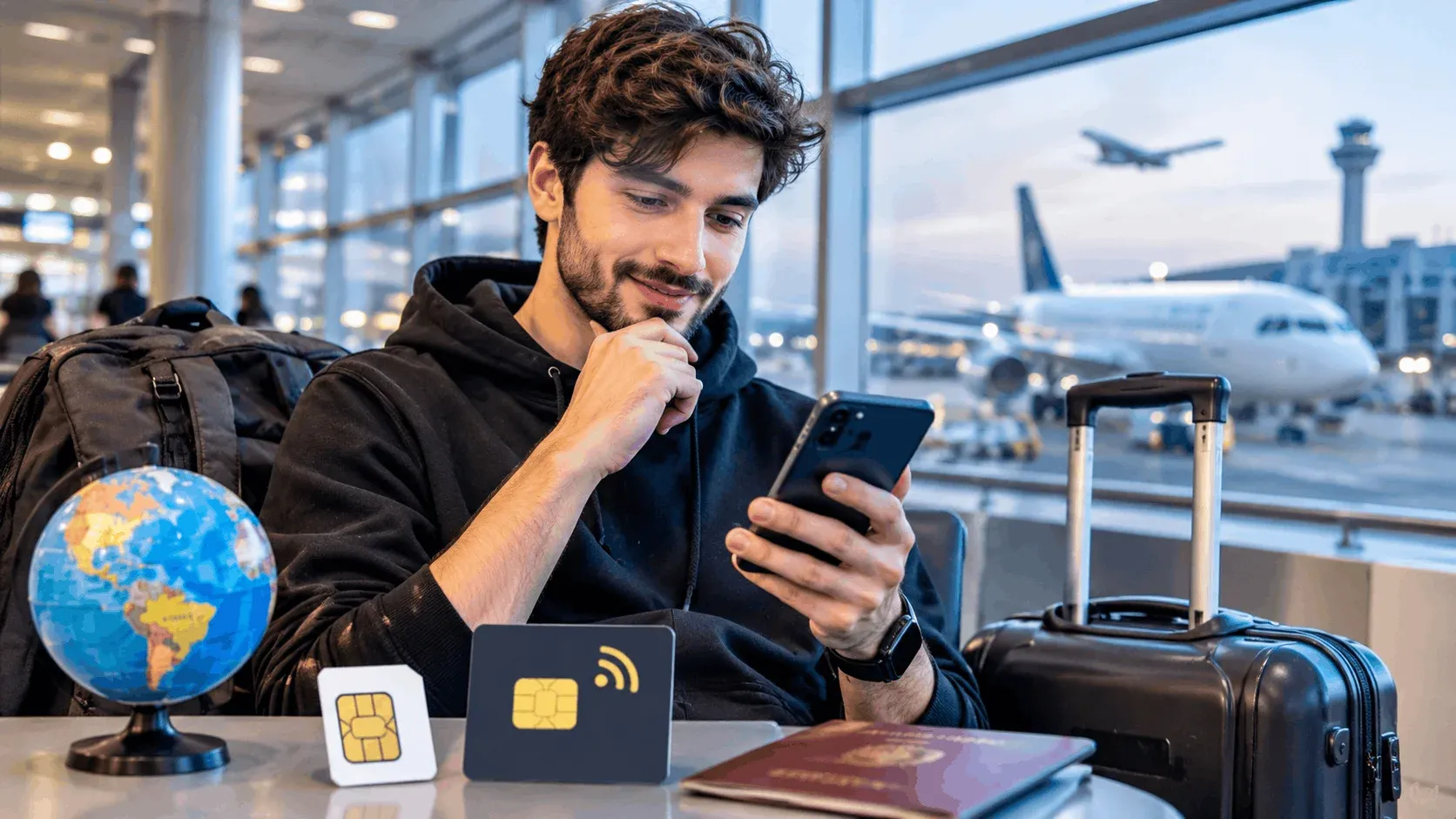
International travel has become easier than ever, but staying connected while visiting another country can still be challenging. From navigating unfamiliar streets to booking hotels, contacting family, and sharing travel experiences, reliable mobile internet is essential.
For many years, traditional SIM cards were the primary solution for international travelers. However, buying a local SIM card in every destination can be time-consuming, expensive, and inconvenient. Today, eSIM technology is changing the way people stay connected abroad.
With the growing popularity of ESIMs, traditional SIM cards are gradually becoming less attractive for frequent international travelers. Let’s explore why this shift is happening and how ESIM technology is making global connectivity easier.
1. No More Physical SIM Card Hassles
One of the biggest disadvantages of traditional SIM cards is that they require physical installation.
International travelers often have to:
- Find a local mobile network store after arriving.
- Wait in queues to purchase a SIM card.
- Remove their existing SIM card.
- Insert a new SIM and configure network settings.
- Keep their original SIM card somewhere safe.
With eSIM technology, these steps are no longer necessary. Travelers can purchase and activate a compatible eSIM digitally without handling a physical card.
2. Easy Connectivity Across Multiple Countries
Traditional SIM cards are often restricted to specific countries or mobile networks. If you travel between several destinations, you may need to purchase a new SIM card in each country.
This can make international travel more complicated.
eSIM technology offers a more flexible alternative:
- Access mobile data plans for multiple countries.
- Switch between supported networks without changing physical cards.
- Choose regional or global data packages.
- Stay connected while traveling across different destinations.
This flexibility makes eSIMs particularly useful for business travelers, digital nomads, and frequent international tourists.
3. More Convenient and Time-Saving
Time is valuable when traveling internationally. Nobody wants to spend the first hour of a vacation searching for a mobile network provider.
Traditional SIM cards require physical purchasing and installation, while eSIMs allow travelers to arrange connectivity before departure.
With an eSIM, travelers can:
- Purchase a data plan online.
- Receive a QR code or activation instructions.
- Install the eSIM before traveling.
- Connect to a supported local network after arrival.
This makes getting online much faster and more convenient.
4. Better Flexibility and Cost Control
International roaming charges from home mobile operators can be surprisingly expensive. Traditional local SIM cards may offer cheaper alternatives, but comparing prices and purchasing new plans in every destination takes effort.
eSIM providers offer different packages based on countries, regions, data allowances, and validity periods.
Travelers can benefit from:
- Comparing multiple data packages.
- Selecting plans according to their travel duration.
- Avoiding unexpected roaming expenses by using a separate travel data plan.
- Managing mobile data usage more easily.
However, prices vary between providers, so comparing plans before purchasing is always recommended.
5. Keep Your Primary Phone Number Active
One major advantage of eSIM technology is that compatible smartphones can support multiple SIM profiles.
This means travelers can use a travel eSIM for mobile data while keeping their primary SIM active for calls, messages, and important verification codes.
For example, someone traveling from Pakistan to the United Kingdom can use a UK travel eSIM for internet access while keeping their Pakistani number available, depending on their phone and carrier settings.
This reduces the inconvenience of constantly switching SIM cards.
6. A More Secure and Convenient Alternative
Physical SIM cards can be lost, damaged, or stolen, especially during busy international trips.
Since an eSIM is digitally integrated into a compatible device, there is no physical card to misplace.
Additional benefits include:
- No need to remove or store a physical SIM.
- Easier digital activation.
- Reduced risk of physical SIM damage.
- Better convenience when managing multiple mobile plans.
However, eSIMs are not automatically immune to security risks. Travelers should still protect their devices and purchase plans from reputable providers.
7. Supporting the Future of Digital Travel
The travel industry is becoming increasingly digital. From mobile boarding passes to online hotel reservations, travelers now depend on smartphones for almost every part of their journey.
eSIM technology fits naturally into this digital lifestyle.
It supports modern travel needs by offering:
- Instant access to mobile data plans.
- Flexible connectivity options.
- Less dependence on physical SIM distribution.
- Convenient international network access.
As more smartphone manufacturers and mobile operators support eSIM technology, its adoption is expected to continue growing.
Traditional SIM Cards vs. eSIMs: What’s the Difference?
| Feature | Traditional SIM | eSIM |
|---|---|---|
| Installation | Physical insertion | Digital activation |
| Purchasing | Often requires a store | Available online |
| Switching plans | Requires changing SIMs in many cases | Digital profile management |
| International travel | May require multiple SIM cards | Supports multiple travel plans |
| Physical damage | Possible | No physical card |
| Convenience | Less flexible | More flexible |
Are Traditional SIM Cards Completely Obsolete?
Not yet. Traditional SIM cards still have an important role in mobile connectivity.
Some older smartphones do not support eSIM technology, and certain mobile operators offer better coverage or pricing through physical SIM cards.
Additionally, eSIM availability and compatibility vary by country, device, and provider.
However, the growing demand for convenient international connectivity is encouraging more travelers to consider eSIMs as their preferred option.
Conclusion: Is eSIM the Future of International Travel?
Traditional SIM cards are gradually losing their appeal among international travelers because they require physical handling, can create unnecessary delays, and offer less flexibility when visiting multiple countries.
eSIM technology provides a modern alternative with digital activation, flexible data plans, and convenient connectivity across supported destinations.
While physical SIM cards are not disappearing completely, eSIMs are becoming an increasingly practical choice for travelers who want a simpler and more connected travel experience.
For international travelers, the future of mobile connectivity is becoming increasingly digital, flexible, and hassle-free.

Qazi Zeeshan | SEO Expert & Guest Posting Specialist